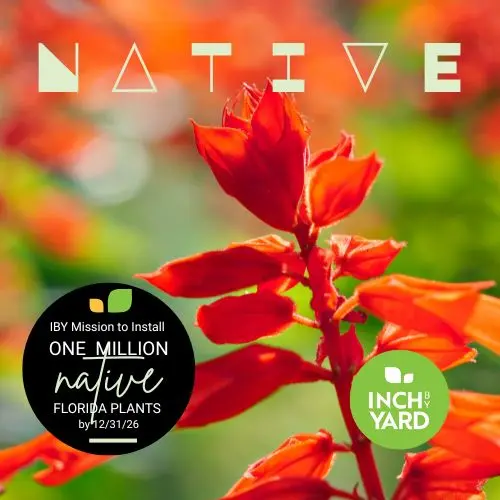
Salvia (native)
This plant can become part of your Family Tree. Earn Pollen with your purchase, follow your plants’ timeline in your account, and use eligible Pollen toward future orders. How Pollen & Family Tree work →
We upload photos of the actual plants selected for you to your order before they ship. You'll have the opportunity to see exactly what is being prepared.
Email hello@inchbyyard.com, call or text (954) 289-5848, or use the website chat. We respond within two business days.
Plants shipped by carrier are covered by our 48-hour National Live Plant Arrival Policy. Report arrival damage within 48 hours with photos; approved claims qualify for a replacement or refund. Plants delivered and installed by Inch by Yard have a separate 30-day Thrive Guarantee. Read the full Returns Policy.
- **Appearance**: Tropical salvia typically grows to a height of 1 to 3 feet. It features square stems, which are characteristic of the mint family, and has lance-shaped, serrated leaves that are bright green and can be up to 4 inches long.
- **Flowers**: The plant is particularly noted for its striking tubular flowers, which can be red, pink, or white. The flowers are arranged in whorls along the stem and attract a variety of pollinators, including hummingbirds and bees. The blooming period usually occurs from late spring to early fall.
- **Growth Habit**: Tropical salvia prefers full sun to partial shade and thrives in well-drained soils. It is drought-tolerant once established, making it a suitable choice for xeriscaping and low-maintenance gardens.
- **Pollinator Friendly**: The vibrant flowers of tropical salvia are highly attractive to pollinators, making it an excellent addition to gardens aimed at supporting local wildlife.
- **Native Habitat**: As a native plant, it plays a role in the local ecosystem, providing food and habitat for various species. It is well-adapted to the local climate and soil conditions, which helps maintain biodiversity.
- **Propagation**: Tropical salvia can be propagated by seeds or cuttings. It is relatively easy to grow and can be found in many native plant nurseries.
- **Uses in Landscaping**: This plant is often used in butterfly gardens, pollinator gardens, and naturalized landscapes. Its bright flowers add color and attract wildlife, while its drought tolerance makes it suitable for Florida's variable climate.
| Size: 3 Gallon |