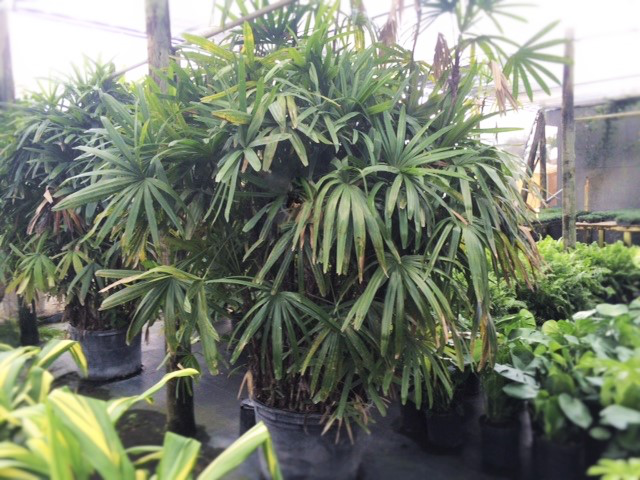
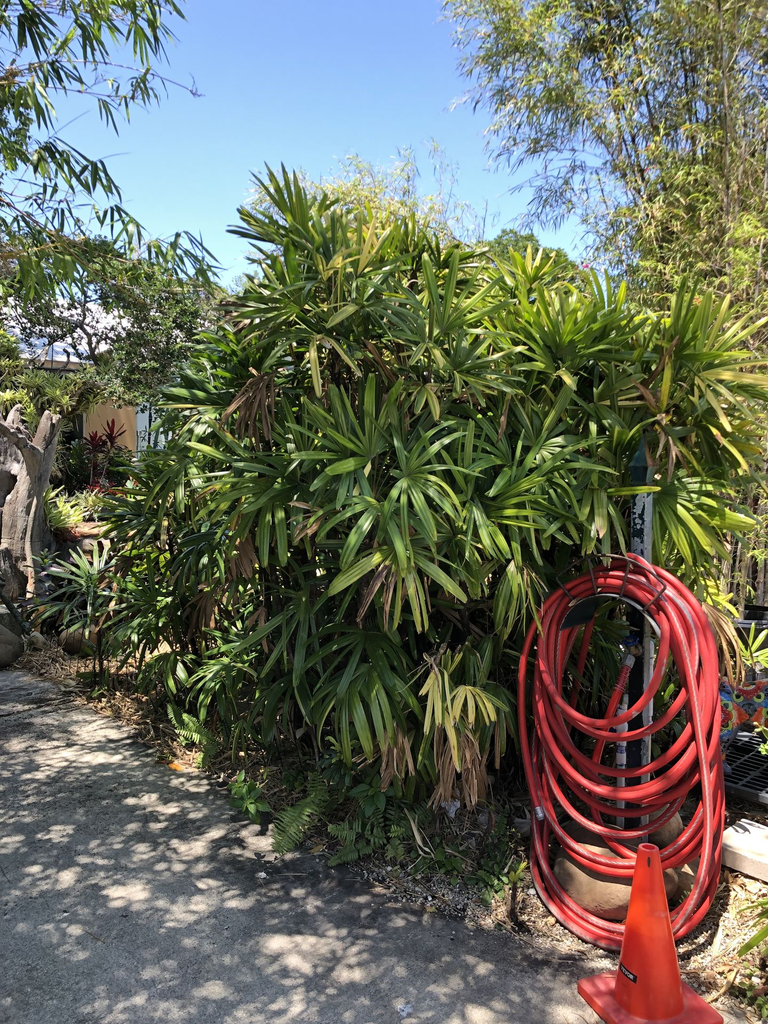
Lady Palm (Rhapis excelsa)
This plant can become part of your Family Tree. Earn Pollen with your purchase, follow your plants’ timeline in your account, and use eligible Pollen toward future orders. How Pollen & Family Tree work →
We upload photos of the actual plants selected for you to your order before they ship. You'll have the opportunity to see exactly what is being prepared.
Email hello@inchbyyard.com, call or text (954) 289-5848, or use the website chat. We respond within two business days.
Plants shipped by carrier are covered by our 48-hour National Live Plant Arrival Policy. Report arrival damage within 48 hours with photos; approved claims qualify for a replacement or refund. Plants delivered and installed by Inch by Yard have a separate 30-day Thrive Guarantee. Read the full Returns Policy.
Binomial name
Rhapis excelsa
Common names
Lady Palm, Bamboo Palm, Finger Palm
Description
Rhapis excelsa, also known as Lady Palm, is a graceful and elegant plant that brings a touch of the tropics to your home or garden. This slow-growing palm features multiple slender trunks covered in rough brown fibers, with fan-shaped, glossy green leaves that radiate from the top of each trunk. The leaves are deeply split into several segments, resembling fingers of a hand, hence the nickname "Finger Palm." Rhapis excelsa is a great choice for indoor environments due to its tolerance for lower light conditions, making it perfect for homes, offices, or shaded garden spots. Its refined appearance and ability to adapt to a range of environments make it a favorite among palm enthusiasts.
Light requirements
Lady Palm thrives in bright, indirect light but can also tolerate lower light levels, making it an excellent choice for indoor spaces with filtered sunlight. While it will grow best with plenty of indirect sunlight, it can adapt to shadier locations, though its growth may slow down in low-light areas. Avoid direct sunlight, as it can scorch the delicate leaves, but a bright corner or near a window with filtered light is ideal.
Soil preferences, including pH and drainage
Rhapis excelsa prefers well-draining, slightly acidic to neutral soil, with a pH range of 6.0 to 7.5. It does best in rich, loamy soil that retains some moisture while allowing excess water to drain away. Good drainage is essential to prevent root rot, so ensure the soil is light and airy. When planting in containers, a well-draining potting mix is important, and be sure to use a pot with drainage holes to avoid waterlogging.
Water needs
Water Rhapis excelsa regularly, keeping the soil evenly moist, but avoid overwatering. This plant does not like to sit in water, so be sure the soil has proper drainage. During the growing season, water when the top inch of soil feels dry, and reduce watering during the winter months when the plant is not actively growing. The key is to keep the soil moist, not soggy—so make sure the plant is well-drained and doesn't sit in excess water.
| Size: 7 Gallon |