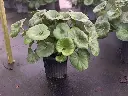
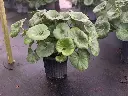
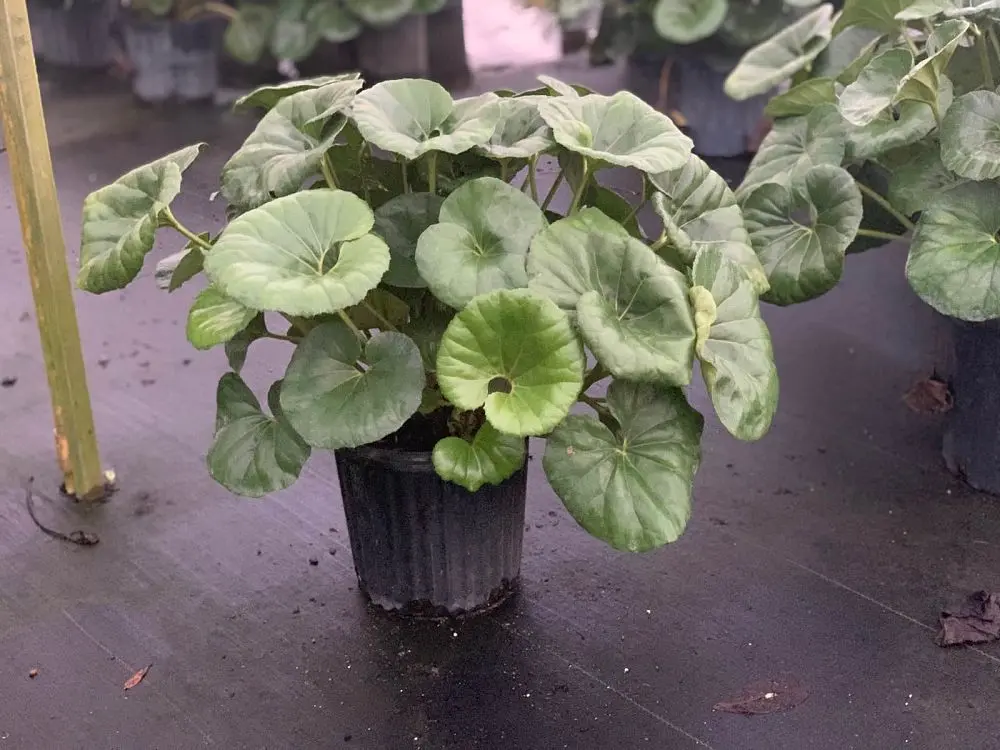
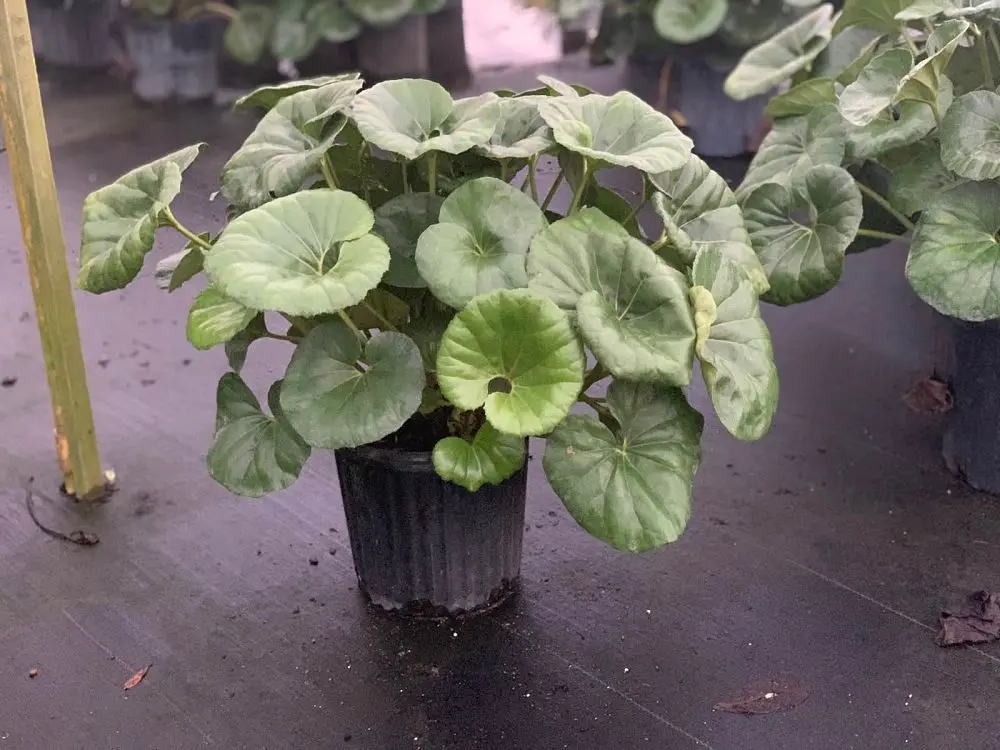
Giant Leopard (Tractor Seat) plant
This plant can become part of your Family Tree. Earn Pollen with your purchase, follow your plants’ timeline in your account, and use eligible Pollen toward future orders. How Pollen & Family Tree work →
We upload photos of the actual plants selected for you to your order before they ship. You'll have the opportunity to see exactly what is being prepared.
Email hello@inchbyyard.com, call or text (954) 289-5848, or use the website chat. We respond within two business days.
Plants shipped by carrier are covered by our 48-hour National Live Plant Arrival Policy. Report arrival damage within 48 hours with photos; approved claims qualify for a replacement or refund. Plants delivered and installed by Inch by Yard have a separate 30-day Thrive Guarantee. Read the full Returns Policy.
Binomial name
Farfugium japonicum
Common names
Leopard Plant, Green Leopard Plant, Japanese Leopard Plant
Description
Giant Leopard Plant, also called Tractor Seat Plant, is a clumping perennial recorded here as Farfugium japonicum 'Gigantea'. Its large, rounded, glossy green leaves give shaded beds and containers a bold tropical appearance. This giant form has solid green foliage; the yellow-spotted leaves associated with some other leopard-plant cultivars are not characteristic of this listing. Yellow, daisy-like flowers may appear in autumn and winter. Grow in partial to full shade with rich, consistently moist but well-drained soil; avoid standing water.
Light requirements
This plant prefers partial to full shade and thrives in low-light conditions. While it can tolerate some morning sun, it will do best in a shady spot where the sun's rays don’t scorch its leaves. If grown indoors, place it near a north or east-facing window to provide indirect light. Outdoors, it is perfect for shaded or woodland gardens.
Soil preferences, including pH and drainage
Farfugium japonicum thrives in rich, well-draining, moist soil. It prefers slightly acidic to neutral soil with a pH of 6.0 to 7.0. While it can tolerate a range of soil types, it does best in loamy soil that retains moisture but has good drainage to prevent waterlogging. If growing in containers, use a potting mix that retains moisture but drains well to keep the plant happy.
Water needs
Keep the soil consistently moist, but avoid letting it become waterlogged. This plant enjoys regular watering, especially in the warmer months, but be sure to let the top layer of soil dry out slightly between waterings. It prefers higher humidity and will appreciate occasional misting, especially if grown indoors. Reduce watering in the winter months when the plant is not actively growing.
| Size: 3 Gallon |
Internal Reference:
Shade Grown